Vacancy
search
Hot spring
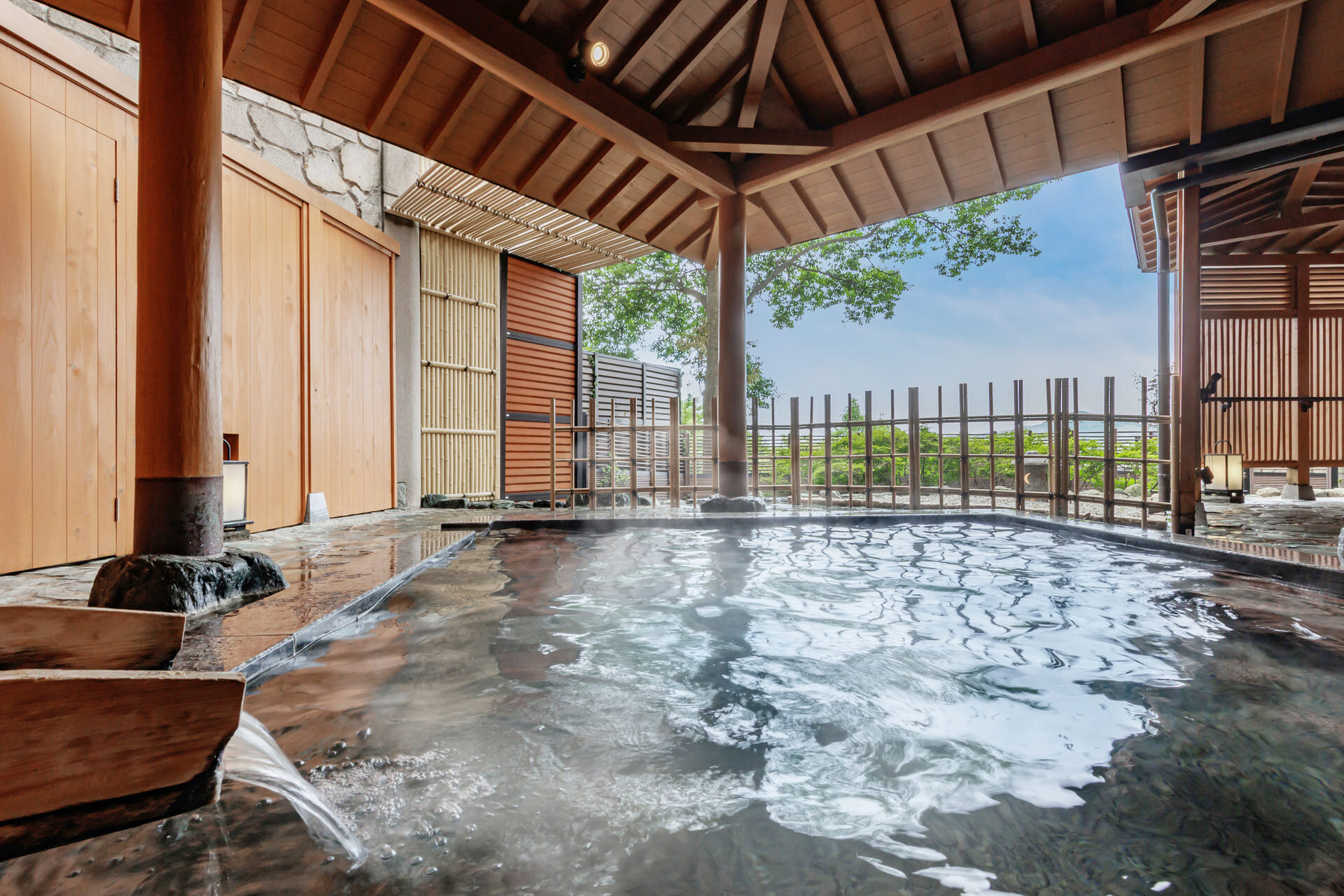
The calm Toba Bay,
Our proud large public bath allows you to soothe your travel fatigue while admiring the shining starry sky.
The hot spring water, which is made from the source of Niimisato Onsen,
It is said to be effective for neuralgia, muscle pain, and frozen shoulder.
A sauna is perfect for sweating and promoting blood circulation.
There is also an open-air bath where you can gaze at the night sky and enjoy the open feeling.
You can relax to your heart's content.
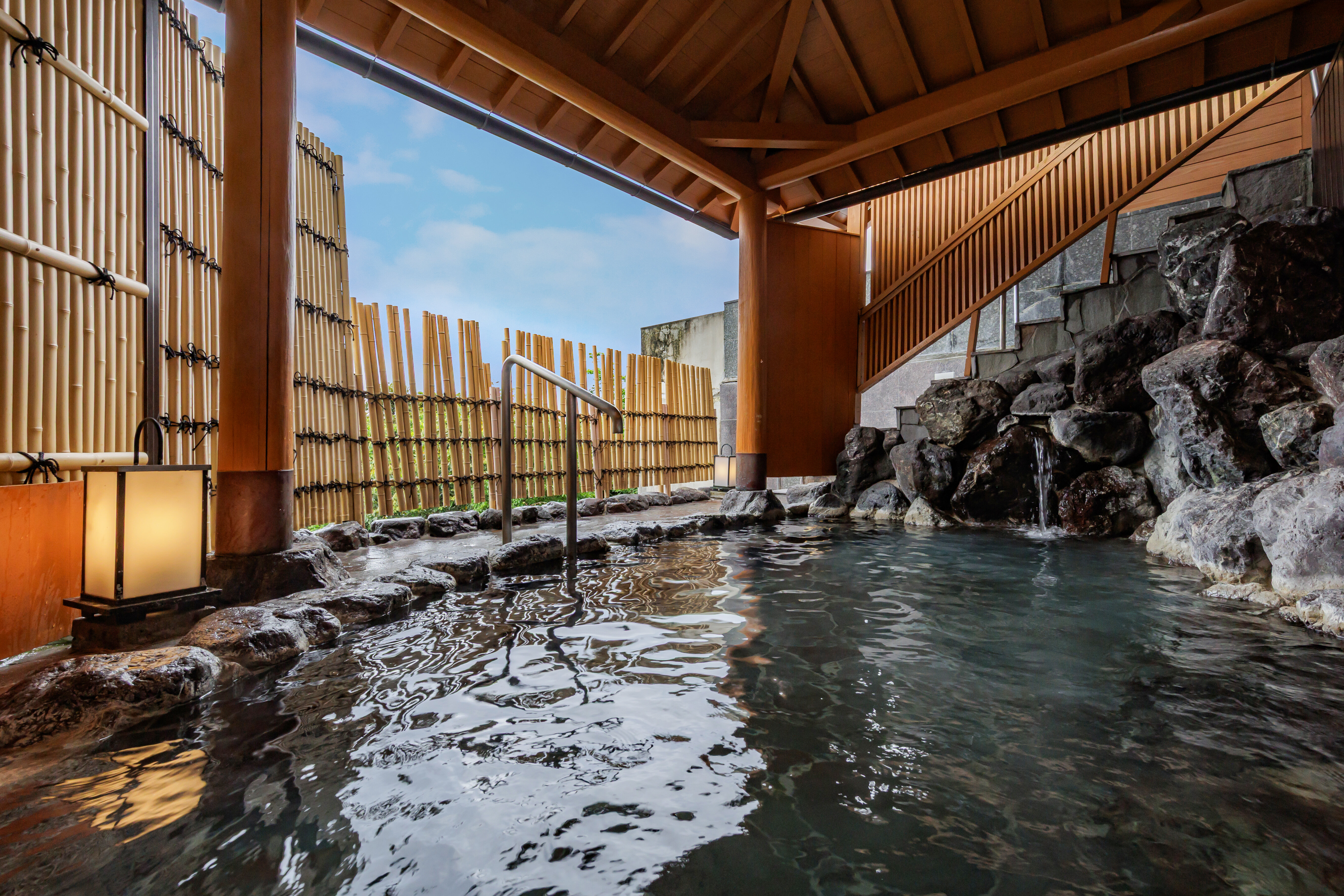
Open-air hot spring bath
You can relax and unwindin an open-minded atmosphere while gazing at the night sky. You can enjoythe magnificent view of Toba Bay and the starry sky that seems to be falling down clearly, and soak in a relaxing bath while listening to the sound of the waves.Please enjoy the rich spring quality of Niimisato Onsen Choju no Yu to your heart's content.
*Men's: Rock bath / Women's: Stone bath (no changeover)
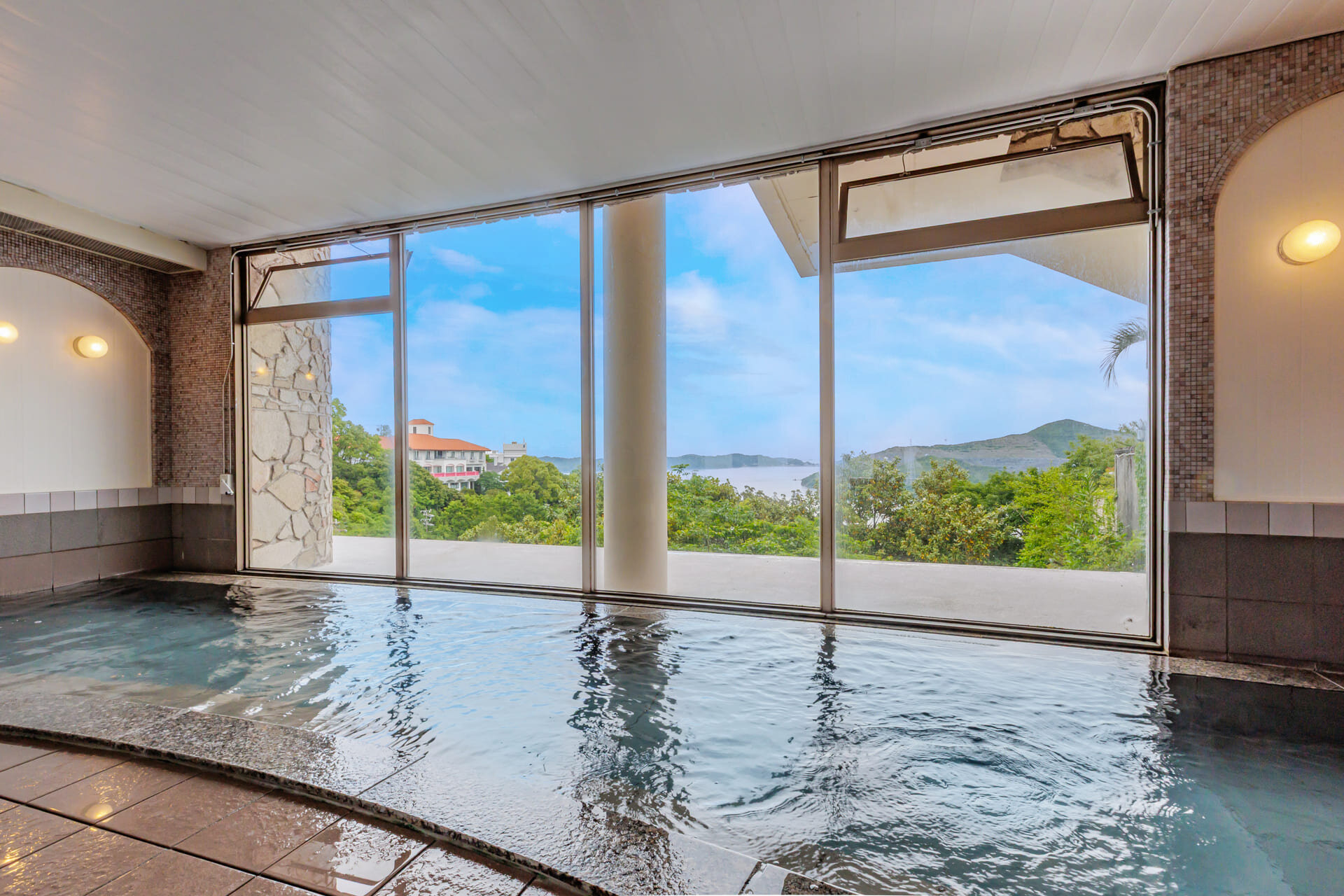
Indoor bath (heated water)
Relax and unwindin our spacious public bath, a world away from your everyday routine. Admire the calm Toba Bay and the deep, sparkling starry sky, andsootheyour travel fatigue in Altia Toba's proud public bath.
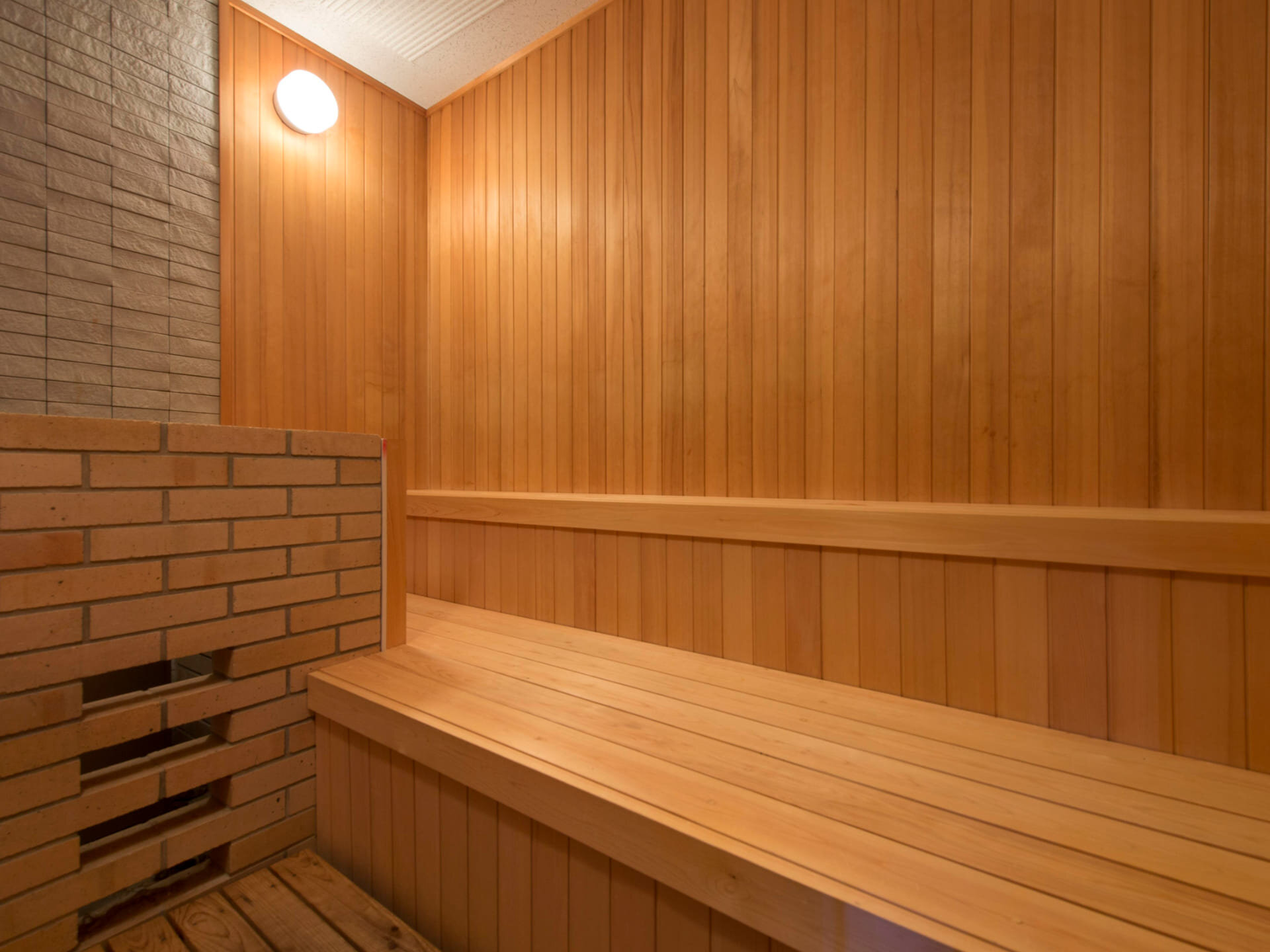
sauna
Sweat profusely in the sauna room in the large public bath and improve your blood circulation! After the sauna, take a quick dip in the cold bath. You'll feel refreshed, and after the bath, you can hydrate your body with a cold drink.
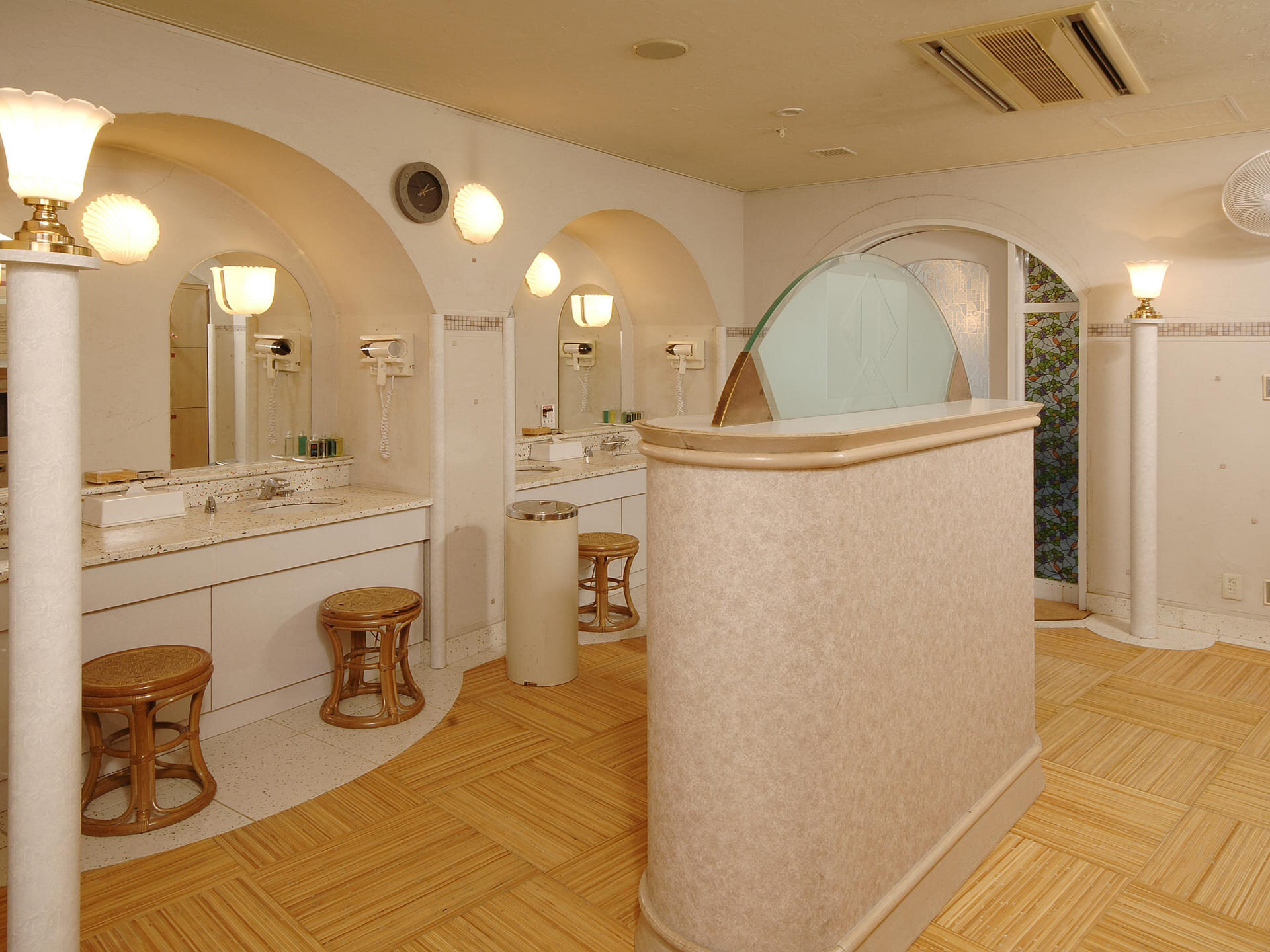
changing room
The changing room is clean, spacious, and bright. You can spend your time here comfortably. The women's bath changing room is equipped with a baby bed, so families with children can use the bath with peace of mind.
Opening hours
6:00~10:00 / 15:00~24:00
*Customers with tattoos are not permitted to use the facility.
*For safety and hygiene reasons, we ask that children who are still in diapers not use the large baths.
Bathing fee (guests)
A separate bathing tax of 150 yen will be charged per adult (junior high school students and above) per night.
Outpatient usage fee
Adults: 1,200 yen
Children (ages 4 to elementary school): 600 yen
Spring quality
| alkaline simple hot spring |
Indications
Chronic pain or stiffness in muscles or joints (chronic stages of rheumatoid arthritis, osteoarthritis, lower back pain, neuralgia, frozen shoulder, bruises, sprains, etc.), muscle stiffness due to motor paralysis, decreased gastrointestinal function (stomach upset, intestinal gas buildup, etc.), mild high blood pressure, impaired glucose tolerance (diabetes), mild hypercholesterolemia, mild asthma or emphysema, hemorrhoid pain, autonomic nervous system instability, various symptoms caused by stress (sleep disorders, etc.), recovery from illness, recovery from fatigue, and health promotion
contraindications
| Active illness (especially when fever is present), active tuberculosis, advanced malignant tumors, severe anemia, or other conditions that cause significant physical weakness, severe heart or lung disease that makes it difficult to breathe with even slight movement, severe kidney disease that causes swelling, gastrointestinal bleeding, visible bleeding, and acute exacerbation of a chronic illness |
Bathing methods and precautions
A. Precautions before bathing
(a) Avoid bathing immediately before or after a meal or after drinking alcohol. In particular, avoid bathing while intoxicated.
(i) Rest your body when you are overly tired.
(c) Rest your body for about 30 minutes after exercise.
(d) It is advisable for elderly people, children, and people with disabilities to avoid bathing alone.
(O) Before entering the bathtub, pour water over your hands and feet to get used to the temperature and then rinse your body.
(f) When bathing, especially immediately after waking up, be sure to drink a glass of water beforehand to avoid dehydration.
B. Bathing method
(a) Bathing temperature Elderly people, people with high blood pressure or heart disease, or people who have had a stroke should avoid bathing in water that is 42°C or higher.
(i) Bathing style: For people with reduced cardiopulmonary function, half-body or partial bathing is preferable to full-body bathing.
(c) Number of baths: For the first few days, bathing should be 1-2 times a day, and once you get used to it, you can increase the number of baths to 2-3 times a day.
(d) Bathing time: This varies depending on the bath temperature, but initially it should be about 3 to 10 minutes per day, and once you get used to it, you can extend it to about 15 to 20 minutes.
C. Precautions while bathing
(a) Except for exercise baths, bathers should generally bathe quietly, moving their arms and legs lightly.
(b) When getting out of the bathtub, get out slowly to avoid getting dizzy.
(c) If you experience dizziness or feel unwell, ask someone nearby for help, slowly get out of the bathtub keeping your head low, and lie down until you feel better.
D. Precautions after bathing
(a) Do not wash off the hot spring ingredients that have adhered to your body with warm water. Instead, wipe off the moisture with a towel, keep your clothes on, moisturize your skin, and rest for about 30 minutes.
(However, people with sensitive skin should rinse off hot spring components with warm water if the spring quality is strong (such as acidic or sulfurous springs) or if chlorine disinfection is performed as necessary.)
(i) Drink a full glass of water to avoid dehydration.
E. Hot water sickness
Approximately 3 days to 1 week after starting your hot spring treatment, you may experience symptoms of hot spring overheating, such as nausea, insomnia, or digestive symptoms, or dermatitis.While these symptoms persist, you should stop bathing or reduce the number of times you bathe and wait for the symptoms to subside.
F. Other
To keep the bath water clean, do not put towels in the bathtub.
(Note) This table is a reference required for posting in accordance with Article 18 of the Hot Springs Act.